Legal Times
  • Home
  • Tamil Nadu Law
    • Madras High Court
      • Chennai Bench
      • Madurai Bench
    • TN State Legal News
      • Government Orders (G.O)
      • TN Acts & Amendments
    • Namma Sattam
      • Consumer Protection
      • Family & Matrimonial
      • Free Legal Aid (TNSLSA)
      • Property & Real Estate
  • Courts & Judgments
    • Supreme Court
    • High Court Judgments
      • Madras HC Judgments
    • District Court Updates
    • Weekly Legal Digest
  • Legal News
    • Breaking Legal News
    • Articles & Opinions
    • Explainers (Law Made Simple)
    • Landmark Cases
  • Careers & Law Students
    • Judicial Exams & Notifications
    • TN Law Colleges News
    • Junior Advocate Updates
    • Legal Jobs & Vacancies
    • Moot Courts & Competitions
Subscribe
  • LegalAwareness
  • TamilNaduLaw
  • IndianLawTamil
  • TNLegalUpdates
  • Bar Council
  • Debates & Interviews
Saturday, Feb 21, 2026
Legal TimesLegal Times
Font ResizerAa
  • Home
  • Tamil Nadu Law
  • Courts & Judgments
  • Legal News
  • Careers & Law Students
Search
  • Home
  • Tamil Nadu Law
    • Madras High Court
    • TN State Legal News
    • Namma Sattam
  • Courts & Judgments
    • Supreme Court
    • High Court Judgments
    • District Court Updates
    • Weekly Legal Digest
  • Legal News
    • Breaking Legal News
    • Articles & Opinions
    • Explainers (Law Made Simple)
    • Landmark Cases
  • Careers & Law Students
    • Judicial Exams & Notifications
    • TN Law Colleges News
    • Junior Advocate Updates
    • Legal Jobs & Vacancies
    • Moot Courts & Competitions
Follow US
TN State Legal News

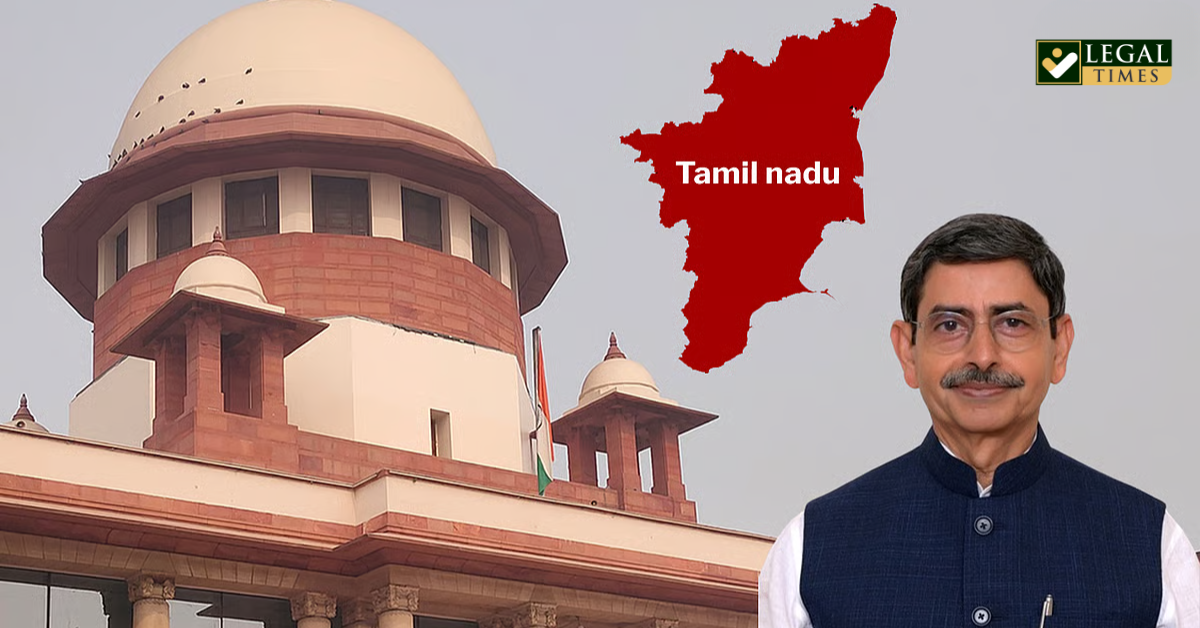
Supreme Court Sets Aside TN Governor’s Decision To Reserve 10 Bills For President’s Assent; Says He Acted Without Bona Fides

Admin
Last updated: January 30, 2026 7:19 am
Admin
Share
SHARE

The Supreme Court of India has set aside the decision of the Tamil Nadu Governor to reserve 10 Bills passed by the State Legislature for the assent of the President, holding that the Governor acted without bona fides and in a manner contrary to constitutional principles.

Contents
  • Background of the Case
  • Supreme Court’s Observations
  • Verdict and Directions
  • Constitutional Significance
  • Source

A Constitution Bench of the Supreme Court observed that the Governor’s prolonged inaction and subsequent decision to reserve the Bills could not be justified under the scheme of the Constitution. The Court emphasised that Governors are expected to act within the constitutional framework and not as political actors.

Background of the Case

The issue arose after the Tamil Nadu Legislative Assembly passed multiple Bills, which were kept pending by the Governor for an extended period. Eventually, instead of granting assent or returning the Bills for reconsideration, the Governor chose to reserve as many as 10 Bills for the consideration of the President of India.

This decision was challenged by the Tamil Nadu Government, which argued that the Governor’s conduct was arbitrary, delayed legislative functioning, and undermined the authority of the elected legislature.

Supreme Court’s Observations

The Supreme Court strongly criticised the Governor’s actions, stating that:

  • The Governor cannot indefinitely withhold assent to Bills passed by the State Legislature
  • The power to reserve Bills for the President must be exercised sparingly and for valid constitutional reasons
  • The Governor’s conduct in the present case lacked bona fides and was inconsistent with constitutional morality

The Court reiterated that the Governor is a constitutional authority and not an independent decision-maker acting on personal discretion, except in limited circumstances explicitly recognised by the Constitution.

Verdict and Directions

Allowing the petition filed by the Tamil Nadu Government, the Supreme Court:

  • Set aside the Governor’s decision to reserve the 10 Bills for the President’s assent
  • Reaffirmed that constitutional authorities must act in a timely, fair, and non-arbitrary manner
  • Emphasised the importance of respecting the legislative will of an elected State Assembly

Constitutional Significance

The judgment is significant as it reinforces the limits of the Governor’s powers under Articles 200 and 201 of the Constitution and clarifies that delays or misuse of discretionary powers can attract judicial scrutiny.

The ruling is expected to have a wider impact on Centre–State relations and the functioning of Governors across the country.

Source

Supreme Court

TAGGED:Article 200 ConstitutionArticle 201 ConstitutionCentre State RelationsConstitutional Law IndiaGovernor PowersPresidential AssentState Bills DisputeSupreme Court of IndiaSupreme Court VerdictTamil Nadu Governor
Share This Article
Facebook Copy Link Print
Leave a Comment

Leave a Reply Cancel reply

Your email address will not be published. Required fields are marked *

Let's Connect

304.9KLike
3MFollow
844.9MFollow
40.5MSubscribe

Popular Posts

டாப்சி நடித்த படத்தை சட்டவிரோதமாக வெளியிட தடை

Admin
1 Min Read

புதிய லேப்டாப் கொடுக்க ஆப்பிள் நிறுவனத்துக்கு உத்தரவு

Admin
1 Min Read

“PS2 இசைக்கோர்வைக்கான அங்கீகாரம் என் விருப்பம்”

Admin
2 Min Read

வங்கதேசத்தை சேர்ந்த 28 பேரை சொந்த நாட்டுக்கு அனுப்ப உத்தரவு

Admin
1 Min Read

You Might Also Like

Supreme Court

டிஜிபி-க்கு பெயரை பரிந்துரைக்காவிட்டால் கோர்டை நாடலாம் : UPSC-க்கு உச்ச நீதிமன்றம் உத்தரவு

2 Min Read
Government Orders (G.O)

Tamil Nadu government identifies suitable promotional posts for persons with disabilities in Secretariat

4 Min Read
TN Acts & Amendments

Original documents now mandatory in TN for registering property

3 Min Read

About Us

Legal Times

Social Networks

Facebook-f Twitter Youtube Instagram

C47, 2nd Street, Anna Nagar S.O, Anna Nagar, Chennai, Tamil Nadu – 600040

Advertise With Us
Contact Us
Welcome Back!

Sign in to your account

Username or Email Address
Password

Lost your password?